


On February 2, 2026, a transformative trade agreement was reached between India and the United States, ending a period of high-tariff tension. This “Reset Deal” slashes overall reciprocal tariffs to 18%, down from a staggering peak of 50%.
The following is a comprehensive analysis of the deal’s impact on the Indian economy, the stock market, and the predictive mathematical models—Gann and Financial Astrology—that signaled this move.
1. The Economic Engine: A Structural Shift
The 2026 trade deal is a “Grand Bargain” that trades tariff relief for energy security and market access.
The Macro Impact
-
GDP Growth: Economists anticipate that the removal of the 50% “tariff cloud” will push India’s GDP growth back toward 7.4% in FY27.
-
The Rupee (INR): After sliding toward ₹90 per USD in late 2025, the currency is expected to stabilize and strengthen as FII (Foreign Institutional Investor) inflows return.
-
Energy Realignment: India has pledged to halt Russian oil purchases in favor of $500 billion in US-sourced energy and technology over the coming years, integrating India deeper into the Western supply chain.
Sector-Specific Winners
Macroeconomic Stability
The removal of the “tariff cloud” significantly reduces external uncertainty. In late 2025, the Indian Rupee had slid toward ₹90 per USD due to trade fears. The 2026 deal provides the fiscal “breathing room” required for the RBI to manage liquidity without the constant pressure of a depreciating currency.
Foreign Direct Investment (FDI)
Foreign Portfolio Investors (FPIs), who offloaded billions in January 2026, are expected to return. The deal cements India’s role as a stable, high-growth alternative in the global supply chain, often referred to as the “China Plus One” strategy.
The most significant long-term shift is the de-risking of India’s energy supply. By moving away from Russian crude to avoid US penalties, India is integrating deeper into the Western economic sphere.
Moreover, the deal streamlines trade for critical minerals and semiconductors. With the US reducing barriers, Indian tech firms and manufacturers gain easier access to high-end American technology, accelerating the “Make in India” and “Design in India” initiatives
2. Gann Theory: The Mathematics of the Rally
W.D. Gann believed that “Time is more important than price.” The February 2nd announcement was not random; it coincided with significant cycles.
The 144-Day Cycle
The market formed a “Meaningful Low” in late January 2026, aligning with a 144-day Gann Time Cycle. This cycle often marks a point where the market is “squared”—meaning the energy of the previous downtrend has been exhausted.
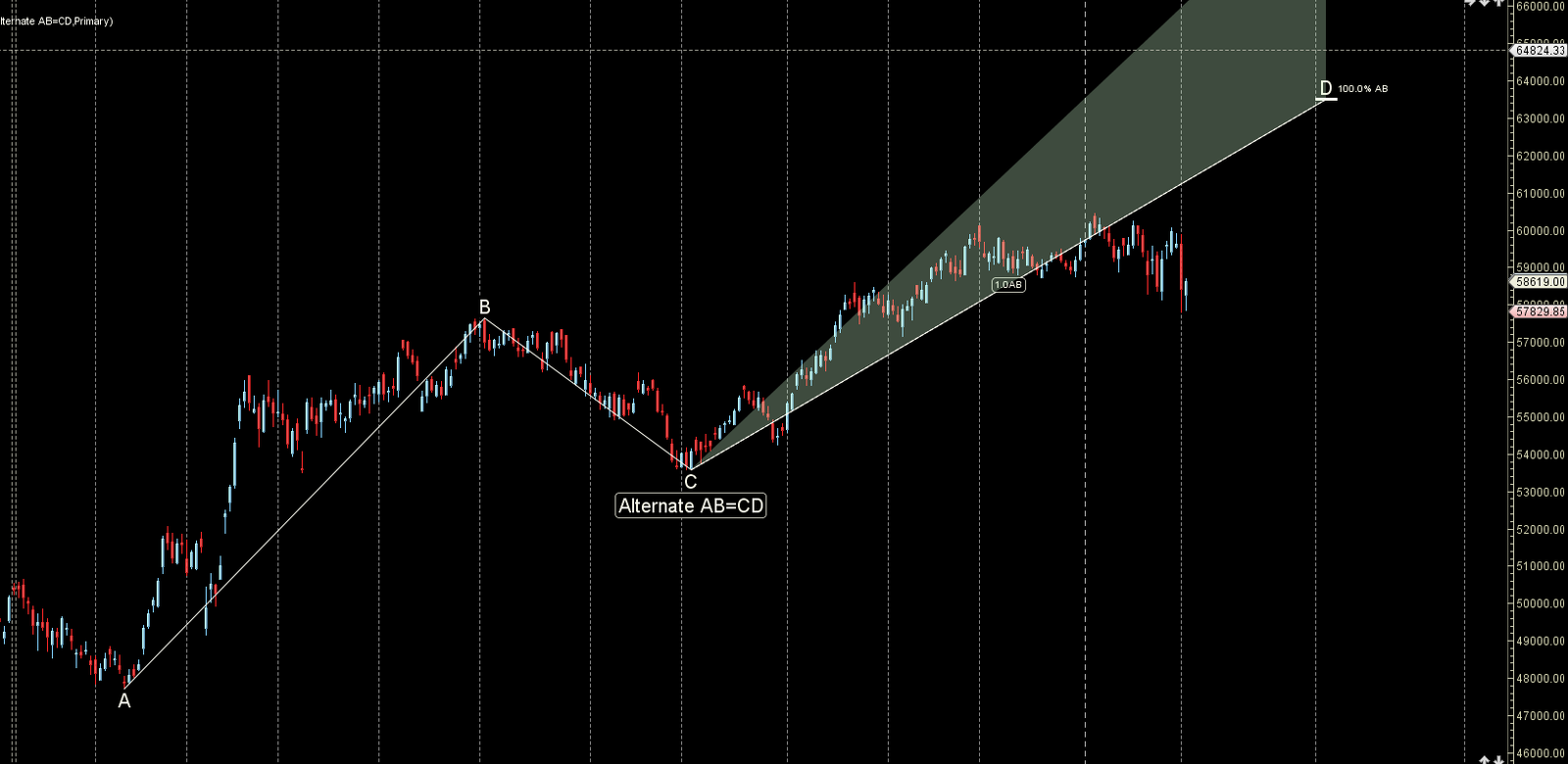
Key Gann Levels for the Gap-Up
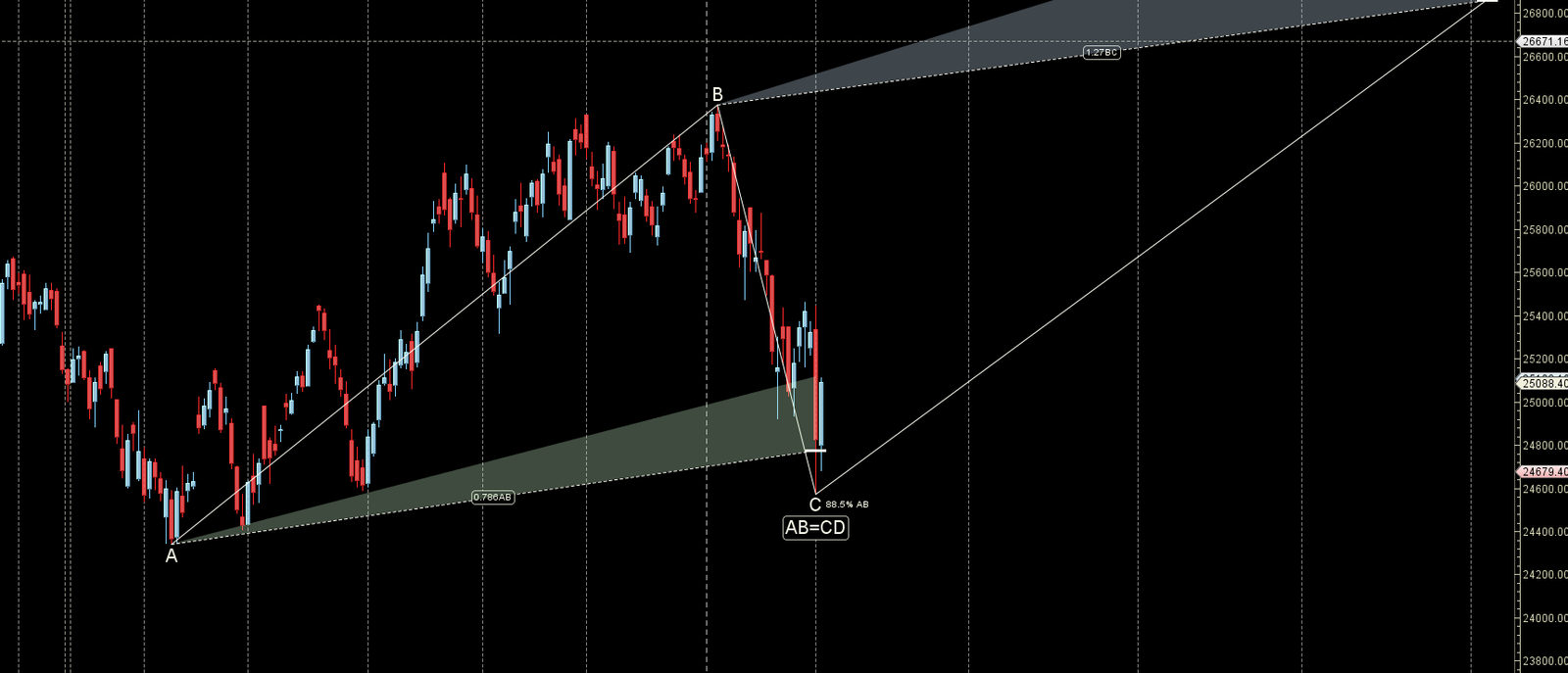
3. Financial Astrology: The “Lightning” Event
The trade deal’s sudden announcement on February 2nd perfectly matches the Mercury-Rahu Conjunction in Aquarius (exact on Feb 3).
-
Mercury (Trade/Logic) + Rahu (Sudden/Global): This combination creates “lightning-fast” changes in international agreements. Aquarius rules technology and global networks, explaining why the deal heavily emphasizes technology and energy infrastructure.
-
The Solar Factor: The move occurred just before Saturn shifts into Aries (Feb 13), which typically favors the “Real Economy”—manufacturing, defense, and industrial exports.
4. Predicting the “Monster Gap Up”
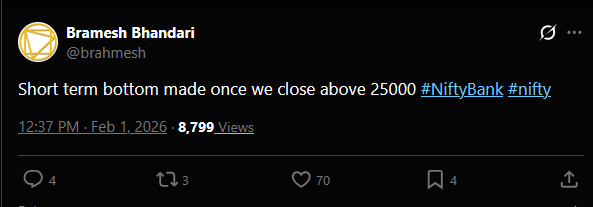
Traders at brameshtechanalysis.com focus on identifying these “Gaps” before the 9:15 AM bell. Here is how you could have seen it coming:
https://x.com/brahmesh/status/2017857318382420060
5. Challenges and The Road Ahead
While the 18% tariff is a victory, it is not a “zero-tariff” regime. Critics, including the opposition in India, argue that the commitment to stop buying discounted Russian oil and the $500 billion import pledge are high prices to pay.
Future Watchpoints:
-
Agriculture: India’s refusal to dismantle protections for its dairy and farm sectors remains a potential friction point.
-
Implementation: The speed at which the $500 billion purchase commitment is realized will determine the sustainability of the US’s “friendship” tariffs.
Conclusion
The 2026 India-US trade deal is more than a commercial agreement; it is a strategic realignment. For the economy, it secures a path to 7%+ growth; for the stock market, it provides the fundamental catalyst for a long-term bull run. Investors should focus on export-oriented sectors that suffered during the 2025 tariff hike, as they are now positioned for a sharp recovery in earnings and valuations.